
"coffee plantation disease"
1000 article(s) found
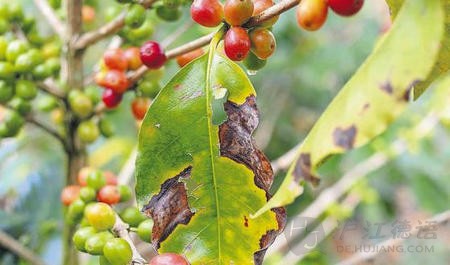
Introduction to the diseases of coffee beans: leaf rust caused by camel rust, the most destructive disease of coffee trees
Coffee rust is the most destructive disease of coffee trees, caused by coffee camel rust (Hemileia vastatrix). The disease has long occurred in coffee-producing areas such as Africa, the near East and India, Asia and Australasia. It first appeared in the Western Hemisphere in 1970 and was found in Brazil. The once thriving coffee plantations in Sri Lanka and Java were destroyed by the

The most destructive disease of coffee trees, leaf rust.
The most destructive coffee tree disease is caused by coffee camel rust (Hemileia vastatrix). The disease has long occurred in coffee-producing areas such as Africa, the near East and India, Asia and Australasia. It first appeared in the Western Hemisphere in 1970 and was found in Brazil. The once thriving coffee plantations in Sri Lanka and Java were destroyed by the

Understanding coffee leaf rust
The most destructive disease of coffee trees is Hemileia vastatrix. The disease has long occurred in coffee-producing regions such as Africa, the Near East and India, Asia and Australasia, and first appeared in the Western Hemisphere in 1970. The once-thriving coffee plantations of Sri Lanka and Java were destroyed there
Knowledge of fine coffee to understand coffee leaf rust
The most destructive coffee tree disease is caused by coffee camel rust (Hemileia vastatrix). The disease has long occurred in coffee-producing areas such as Africa, the near East and India, Asia and Australasia. It first appeared in the Western Hemisphere in 1970 and was found in Brazil. The once thriving coffee plantations in Sri Lanka and Java were destroyed by the

Coffee tree disease coffee leaf rust
Coffee leaf rust (coffee rust) is the most destructive disease of coffee trees, which is caused by coffee camel rust (Hemileia vastatrix). The disease has long occurred in coffee-producing areas such as Africa, the near East and India, Asia and Australasia. It first appeared in the Western Hemisphere in 1970 and was found in Brazil. Once-thriving coffee plantations in Sri Lanka and Java

Coffee leaf rust is the most destructive disease of coffee trees.
Coffee rust The most destructive disease of coffee trees, caused by Hemileia vastatrix. The disease has long occurred in coffee-producing regions such as Africa, the Near East and India, Asia and Australasia. It first appeared in the Western Hemisphere in 1970 and was discovered in Brazil. Coffee plantations once thriving in Sri Lanka and Java

Colombia Coffee Plantation Flavor Description Taste Variety Introduction
Colombia coffee plantation flavor description taste varieties production area introduction in the past 12 to 13 years, coffee country Colombia in order to increase production and income, in the form of national policies to reward improved new varieties (high fruit rate, strong pest resistance, low planting costs), and even in some areas of semi-mandatory requirements to cut down old varieties to plant improved species. Under these conditions, to protect small yields

Coffee Seedling Technology: the production Management method of Coffee Seedling stage and the distance between Coffee planting plants
Professional coffee knowledge exchange more coffee bean information please follow the coffee workshop (Wechat official account cafe_style) coffee production capacity, usually using a conversion factor to convert the kilograms of berries picked from a coffee tree or a batch into the kilograms of raw beans. This conversion coefficient, also known as bean yield, should be calculated according to different coffee gene types. Elaraby

Does Ceylon black tea come from Sri Lanka? What are the famous tea garden brands in Sri Lanka? The development of Ceylon tea garden is affected by fungal diseases.
Managers of commercial tea gardens in Sri Lanka welcomed the government's decision to allow the import of nitrogen fertilizer, but they said the rubber and spice industry had also been hit hard by the ban on agrochemicals. So far, commercial tea gardens have been using some fertilizers imported from China because of rising prices, but they warn that
Leaf rust sweeps coffee plantations in Central America
According to a recent report released by the International Coffee Organization, the production of coffee crops in Central America has been reduced by about 15% in 2012 and 2013 due to leaf rust. As the overall economic growth in Central America slows, coffee growers in the region will suffer a double whammy of reduced production of coffee crops and a collapse in coffee prices, which will also hit the economies of Central American countries hard. As the coffee crop in Central America is in the international coffee market.
Fine Coffee Science explains Coffee Leaf Rust in detail
Coffee leaf rust (coffee rust) is the most destructive disease of coffee trees, which is caused by coffee camel rust (Hemileia vastatrix). The disease has long occurred in coffee-producing areas such as Africa, the near East and India, Asia and Australasia. It first appeared in the Western Hemisphere in 1970 and was found in Brazil. Once-thriving coffee plantations in Sri Lanka and Java
Basic knowledge of fine coffee Coffee Leaf Rust
Coffee leaf rust (coffee rust) is the most destructive disease of coffee trees, which is caused by coffee camel rust (Hemileia vastatrix). The disease has long occurred in coffee-producing areas such as Africa, the near East and India, Asia and Australasia. It first appeared in the Western Hemisphere in 1970 and was found in Brazil. Once-thriving coffee plantations in Sri Lanka and Java

Introduction to the taste of Indonesian coffee
The coffee was discovered because stingy Dutch planters banned local workers from drinking coffee. In order to get the magical fruit they had worked so hard to grow, they had to find another way to find it in the excrement of civets. After cleaning and grinding, it was made into world-class coffee, which was then found by the Dutch and became more expensive. And as a major tourist destination in Indonesia

The Origin of Indonesian Coffee the Historical Development of Indonesian Coffee beans the introduction of Robusta Coffee beans
Indonesian Coffee: know the origin of your coffee Modern Indonesia was one of the first countries in the world to start growing coffee commercially before most of Africa, most of Asia and the Americas. Although Indonesian coffee has a history of 400 years, unfortunately, it is full of cruel colonialism, disease and struggle. Coffee is still Indonesia to this day.

Introduction of Seedling raising in Yunnan producing area of Chinese Coffee Plantation
Introduction to the Seedling raising of Chinese Coffee Plantation in Yunnan Province Liu Jiahua's home is located in Nanping Town, Simao District, Pu'er City, Yunnan Province, a village in the semi-mountainous area. He said that now that the picking season has just entered, 70 to 80 percent of the coffee beans will be ripe in half a month, and workers will have to pick them at that time, Liu Jiahua said. Looking at this coffee forest that has entered the picking period, Liu Jiahua is the most

What is rust caused by? How to deal with the harm of iron rust to coffee beans
Coffee rust, also known as coffee leaf rust
The Development History of Indonesian Coffee
Indonesia has always been one of the best coffee producers in the world. Java coffee used to be synonymous with top coffee, while Sumatra and Sulawesi are also rich in top coffee.

Introduction to the Flavor characteristics of Indonesian Coffee in Kahayang Gan Manor Coffee Manor
The coffee was discovered because stingy Dutch planters banned local workers from drinking coffee. In order to get the magical fruit they had worked so hard to grow, they had to find another way to find it in the excrement of civets. After cleaning and grinding, it was made into world-class coffee, which was then found by the Dutch and became more expensive. And as a major tourist destination in Indonesia
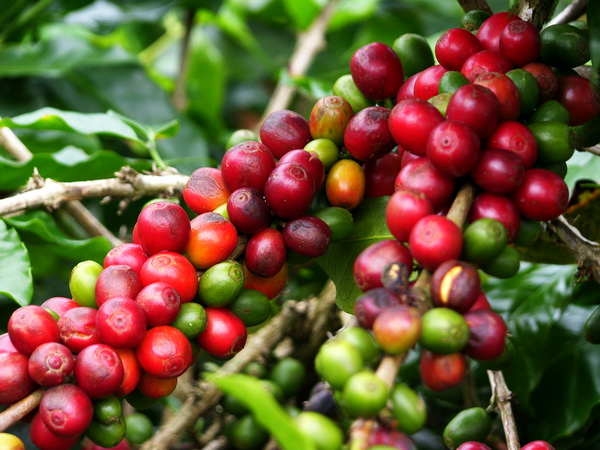
Experience plantation amorous feelings Tanzania Arusha Coffee Manor Africa original Tanzania imported coffee
Due to political instability and rampant diseases and insect pests, the coffee industry in Tanzania has been damaged, leading to a decline in the overall level of coffee and instability in quality, which in turn lead to lower prices, which are usually the result of a further decline in the coffee industry. What's more, it is estimated that more than 12% of the Arabica coffee grown in northern Tanzania from 1969 to 1985 has gone.

What is the variety of East Timor coffee beans-Tim Timor? What is the flavor and taste of East Timor coffee?
Professional coffee knowledge exchange more coffee bean information please follow the coffee workshop (Wechat official account cafe_style) East Timor coffee beans-Tim Timor what kind of coffee? What's the flavor and taste of East Timorese coffee? How to brew? Hibrido de Timor (or Timor hybrid) coffee is Coffea arabica (Arabica coffee) and C. canephora (Luo)